把实现了Servlet接口的Java程序叫做,Servlet
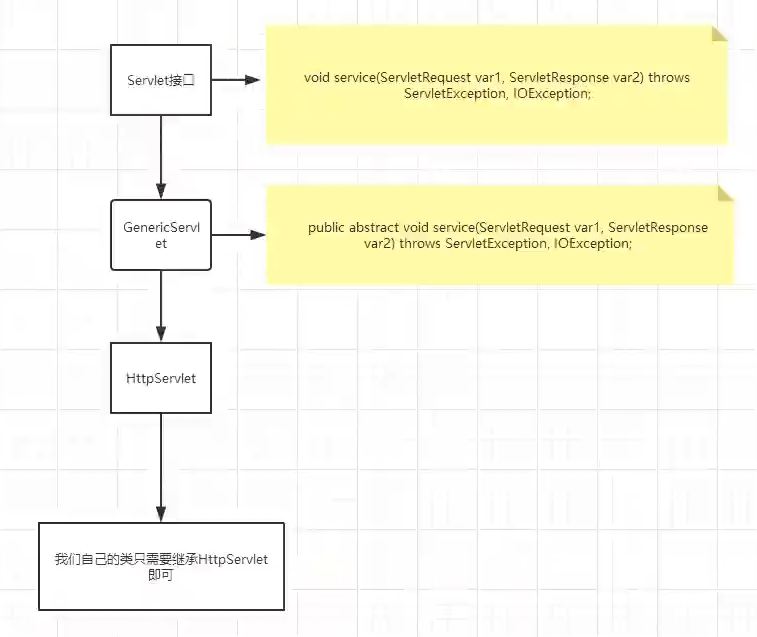
Servlet接口Sun公司有两个默认的实现类:HttpServlet,GenericServlet
构建一个Maven项目,删掉里面的src目录,以后我们的学习就在这个项目里面建立Module;这个空的工程就是Maven主工程;
关于Maven父子工程的理解:
父项目中会有
<modules> <module>servlet-01</module></modules>子项目会有
<parent> <artifactId>javaweb-02-servlet</artifactId> <groupId>com.kuang</groupId> <version>1.0-SNAPSHOT</version></parent>父项目中的ajva子项目可以直接使用
son extends fatherMaven环境优化
编写一个Servlet程序
编写一个普通类
实现Servlet接口,这里我们直接继承HttpServlet
public class HelloServlet extends HttpServlet { //由于get或者post只是请求实现的不同的方式,可以相互调用,业务逻辑都一样 @Override protected void doGet(HttpServletRequest req, HttpServletResponse resp) throws ServletException, IOException { //ServletOutputStream outputStream = resp.getOutputStream(); PrintWriter writer = resp.getWriter();//响应流 writer.print("Hello,Servlet"); } @Override protected void doPost(HttpServletRequest req, HttpServletResponse resp) throws ServletException, IOException { this.doGet(req, resp); }}编写Servlet的映射
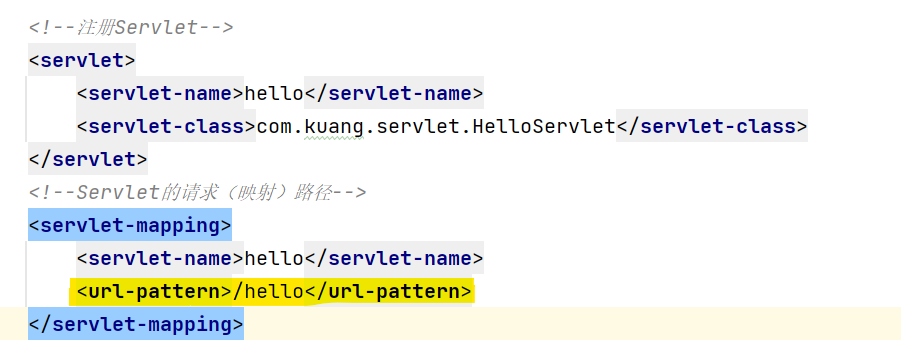
为什么需要映射:我们写的是Java程序,但是要通过浏览器访问,而浏览器需要连接web服务器,所以我们需要在web服务中注册我们写的Servlet,还需要给它一个浏览器能够访问的路径;
<!--注册Servlet--><servlet> <servlet-name>hello</servlet-name> <servlet-class>com.kuang.servlet.HelloServlet</servlet-class></servlet><!--Servlet的请求(映射)路径--><servlet-mapping> <servlet-name>hello</servlet-name> <url-pattern>/hello</url-pattern></servlet-mapping>配置Tomcat
注意:配置项目发布的路径就可以了
启动测试
url-pattern必须为/hello,其中/不可省略
原理
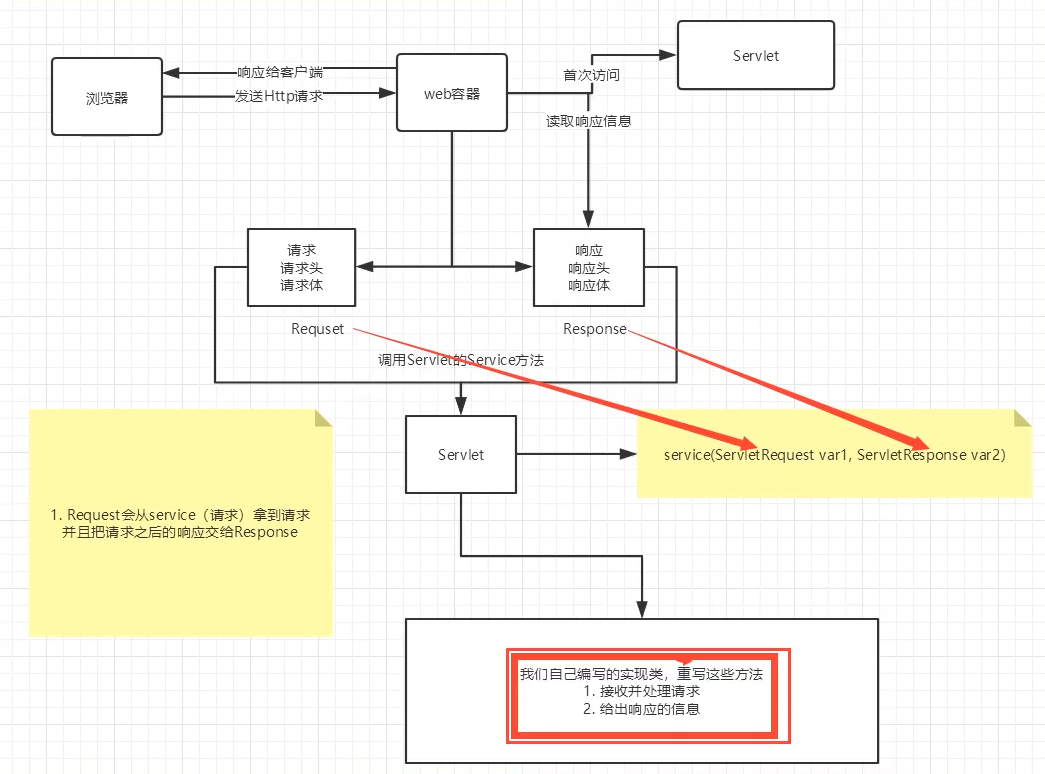
Servlet是由Web服务器调用,web服务器在收到浏览器请求之后,会:
一个Servlet可以指定一个映射路径
<servlet-mapping> <servlet-name>hello</servlet-name> <url-pattern>/hello</url-pattern></servlet-mapping>一个Servlet可以指定多个映射路径
<servlet-mapping> <servlet-name>hello</servlet-name> <url-pattern>/hello</url-pattern> </servlet-mapping> <servlet-mapping> <servlet-name>hello</servlet-name> <url-pattern>/hello2</url-pattern> </servlet-mapping> <servlet-mapping> <servlet-name>hello</servlet-name> <url-pattern>/hello3</url-pattern> </servlet-mapping> <servlet-mapping> <servlet-name>hello</servlet-name> <url-pattern>/hello4</url-pattern> </servlet-mapping> <servlet-mapping> <servlet-name>hello</servlet-name> <url-pattern>/hello5</url-pattern> </servlet-mapping>一个Servlet可以指定通用映射路径
<servlet-mapping> <servlet-name>hello</servlet-name> <url-pattern>/hello/*</url-pattern> </servlet-mapping>默认请求路径
<!--默认请求路径--><servlet-mapping> <servlet-name>hello</servlet-name> <url-pattern>/*</url-pattern> </servlet-mapping>指定一些后缀或者前缀等等...
<!--可以自定义后缀实现请求映射注意点,*前面不能加项目映射的路径hello/sajdlkajda.qinjiang--><servlet-mapping> <servlet-name>hello</servlet-name> <url-pattern>*.qinjiang</url-pattern> </servlet-mapping>优先级问题
指定了固有的映射路径优先级最高,如果找不到就会走默认的处理请求;
<!--404--><servlet> <servlet-name>error</servlet-name> <servlet-class>com.kuang.servlet.ErrorServlet</servlet-class></servlet><servlet-mapping> <servlet-name>error</servlet-name> <url-pattern>/*</url-pattern></servlet-mapping>web容器在启动的时候,它会为每个web程序都创建一个对应的ServletContext对象,它代表了当前的web应用;
原理:
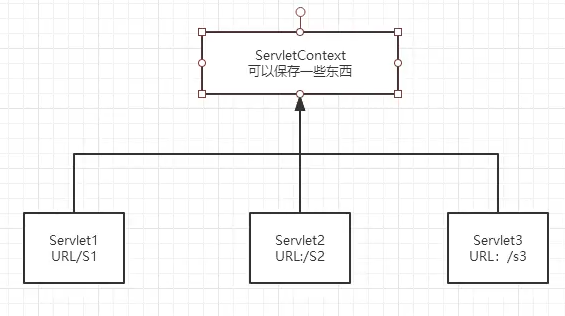
我在这个Servlet中保存的数据,可以在另外一个Servlet中拿到;
public class HelloServlet extends HttpServlet { @Override protected void doGet(HttpServletRequest req, HttpServletResponse resp) throws ServletException, IOException { //this.getInitParameter(); 初始化参数 //this.getServletConfig(); Servlet配置 //this.getServletContext(); Servlet上下文 ServletContext context = this.getServletContext(); String username = "秦疆"; //数据 context.setAttribute("username",username); //将一个数据保存在ServletContext中,名字为:username,值:username }}public class GetServlet extends HttpServlet { @Override protected void doGet(HttpServletRequest req, HttpServletResponse resp) throws ServletException, IOException { ServletContext context = this.getServletContext(); String username = (String) context.getAttribute("username"); resp.setContentType("text/html"); resp.setCharacterEncoding("utf-8"); resp.getWriter().print("名字"+username); } @Override protected void doPost(HttpServletRequest req, HttpServletResponse resp) throws ServletException, IOException { doGet(req, resp); }}<servlet> <servlet-name>hello</servlet-name> <servlet-class>com.kuang.servlet.HelloServlet</servlet-class> </servlet> <servlet-mapping> <servlet-name>hello</servlet-name> <url-pattern>/hello</url-pattern> </servlet-mapping> <servlet> <servlet-name>getc</servlet-name> <servlet-class>com.kuang.servlet.GetServlet</servlet-class> </servlet> <servlet-mapping> <servlet-name>getc</servlet-name> <url-pattern>/getc</url-pattern> </servlet-mapping>测试访问结果;
<!--配置一些web应用的初始化参数--><context-param> <param-name>url</param-name> <param-value>jdbc:mysql://localhost:3306/mybatis</param-value></context-param>protected void doGet(HttpServletRequest req, HttpServletResponse resp) throws ServletException, IOException { ServletContext context = this.getServletContext(); String url = context.getInitParameter("url"); resp.getWriter().print(url);}@Overrideprotected void doGet(HttpServletRequest req, HttpServletResponse resp) throws ServletException, IOException { ServletContext context = this.getServletContext(); System.out.println("进入了ServletDemo04"); //RequestDispatcher requestDispatcher = context.getRequestDispatcher("/gp"); //转发的请求路径 //requestDispatcher.forward(req,resp); //调用forward实现请求转发; context.getRequestDispatcher("/gp").forward(req,resp);}
Properties
发现:都被打包到了同一个路径下:classes,我们俗称这个路径为classpath;
思路:需要一个文件流;
username=rootpassword=123456public class ServletDemo05 extends HttpServlet { @Override protected void doGet(HttpServletRequest req, HttpServletResponse resp) throws ServletException, IOException { InputStream is = this.getServletContext().getResourceAsStream("/WEB-INF/classes/db.properties"); Properties prop = new Properties(); prop.load(is); String user = prop.getProperty("username"); String pwd = prop.getProperty("password"); resp.getWriter().print(user+":"+pwd); } @Override protected void doPost(HttpServletRequest req, HttpServletResponse resp) throws ServletException, IOException { doGet(req, resp); }}访问测试即可ok;
web服务器接收到客户端的http请求,针对这个请求,分别创建一个代表请求的HttpServletRequest对象,代表响应的HttpServletResponse对象;
负责向浏览器发送数据的方法
ServletOutputStream getOutputStream() throws IOException;PrintWriter getWriter() throws IOException;负责向浏览器发送响应头的方法
void setCharacterEncoding(String var1);void setContentLength(int var1);void setContentLengthLong(long var1);void setContentType(String var1);void setDateHeader(String var1, long var2);void addDateHeader(String var1, long var2);void setHeader(String var1, String var2);void addHeader(String var1, String var2);void setIntHeader(String var1, int var2);void addIntHeader(String var1, int var2);相应的状态码
int SC_CONTINUE = 100;int SC_SWITCHING_PROTOCOLS = 101;int SC_OK = 200;int SC_CREATED = 201;int SC_ACCEPTED = 202;int SC_NON_AUTHORITATIVE_INFORMATION = 203;int SC_NO_CONTENT = 204;int SC_RESET_CONTENT = 205;int SC_PARTIAL_CONTENT = 206;int SC_MULTIPLE_CHOICES = 300;int SC_MOVED_PERMANENTLY = 301;int SC_MOVED_TEMPORARILY = 302;int SC_FOUND = 302;int SC_SEE_OTHER = 303;int SC_NOT_MODIFIED = 304;int SC_USE_PROXY = 305;int SC_TEMPORARY_REDIRECT = 307;int SC_BAD_REQUEST = 400;int SC_UNAUTHORIZED = 401;int SC_PAYMENT_REQUIRED = 402;int SC_FORBIDDEN = 403;int SC_NOT_FOUND = 404;int SC_METHOD_NOT_ALLOWED = 405;int SC_NOT_ACCEPTABLE = 406;int SC_PROXY_AUTHENTICATION_REQUIRED = 407;int SC_REQUEST_TIMEOUT = 408;int SC_CONFLICT = 409;int SC_GONE = 410;int SC_LENGTH_REQUIRED = 411;int SC_PRECONDITION_FAILED = 412;int SC_REQUEST_ENTITY_TOO_LARGE = 413;int SC_REQUEST_URI_TOO_LONG = 414;int SC_UNSUPPORTED_MEDIA_TYPE = 415;int SC_REQUESTED_RANGE_NOT_SATISFIABLE = 416;int SC_EXPECTATION_FAILED = 417;int SC_INTERNAL_SERVER_ERROR = 500;int SC_NOT_IMPLEMENTED = 501;int SC_BAD_GATEWAY = 502;int SC_SERVICE_UNAVAILABLE = 503;int SC_GATEWAY_TIMEOUT = 504;int SC_HTTP_VERSION_NOT_SUPPORTED = 505;@Overrideprotected void doGet(HttpServletRequest req, HttpServletResponse resp) throws ServletException, IOException { // 1. 要获取下载文件的路径 String realPath = "D:\\environment\\java_project\\javaweb-02-servlet\\response\\target\\response\\WEB-INF\\classes\\王.png"; System.out.println("下载文件的路径:"+realPath); // 2. 下载的文件名是啥? String fileName = realPath.substring(realPath.lastIndexOf("\\") + 1); // 3. 设置想办法让浏览器能够支持(Content-Disposition)下载我们需要的东西,中文文件名URLEncoder.encode编码,否则有可能乱码 resp.setHeader("Content-Disposition","attachment;filename"+URLEncoder.encode(fileName,"UTF-8")); // 4. 获取下载文件的输入流 FileInputStream in = new FileInputStream(realPath); // 5. 创建缓冲区 int len = 0; byte[] buffer = new byte[1024]; // 6. 获取OutputStream对象 ServletOutputStream out = resp.getOutputStream(); // 7. 将FileOutputStream流写入到buffer缓冲区,使用OutputStream将缓冲区中的数据输出到客户端! while ((len=in.read(buffer))>0) { out.write(buffer,0,len); } in.close(); out.close();}验证码怎么来的?
public class ImageServlet extends HttpServlet { @Override protected void doGet(HttpServletRequest req, HttpServletResponse resp) throws ServletException, IOException { //如何让浏览器3秒自动刷新一次; resp.setHeader("refresh","3"); //在内存中创建一个图片 BufferedImage image = new BufferedImage(80,20,BufferedImage.TYPE_INT_BGR); //得到图片 Graphics2D g = (Graphics2D) image.getGraphics(); //笔 //设置图片的背景颜色 g.setColor(Color.WHITE); g.fillRect(0,0,80,20); //给图片写数据 g.setColor(Color.BLUE); g.setFont(new Font(null,Font.BOLD,20)); g.drawString(makeNum(),0,20); //告诉浏览器,这个请求用图片的方式打开 resp.setContentType("image/jpeg"); //网站存在缓存,不让浏览器缓存 resp.setDateHeader("expires",-1); resp.setHeader("Cache-Control","no-cache"); resp.setHeader("Pragma","no-cache"); //把图片写给浏览器 ImageIO.write(image, "jpg", resp.getOutputStream()); } //生成随机数 private String makeNum(){ Random random = new Random(); String num = random.nextInt(9999999) + "";//转换为字符串 StringBuffer sb = new StringBuffer(); //可变长字符串 for (int i = 0; i < 7-num.length(); i++) { sb.append("0"); } num = sb.toString() + num; return num; } @Override protected void doPost(HttpServletRequest req, HttpServletResponse resp) throws ServletException, IOException { doGet(req, resp); }}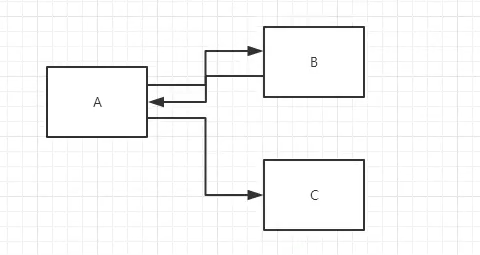
B一个web资源收到客户端A请求后,B他会通知A客户端去访问另外一个web资源C,这个过程叫重定向
常见场景:
void sendRedirect(String var1) throws IOException;测试:
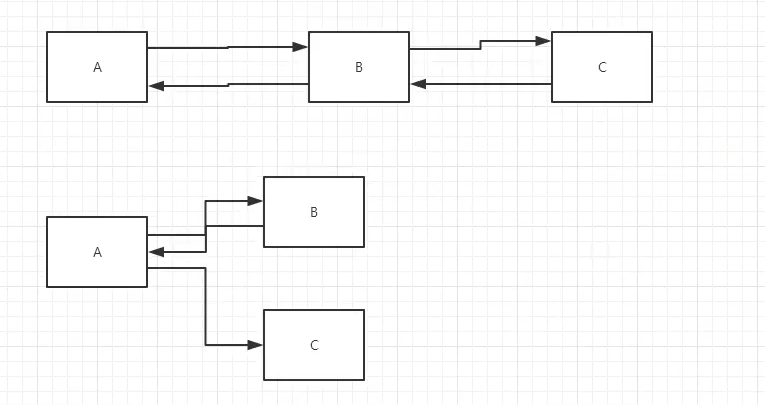
@Overrideprotected void doGet(HttpServletRequest req, HttpServletResponse resp) throws ServletException, IOException { /* resp.setHeader("Location","/r/img"); resp.setStatus(302); */ resp.sendRedirect("/r/img"); //重定向,需要是该程序下的完整路径}面试题:请你聊聊重定向和转发的区别?
相同点
不同点
获取表单信息并跳转至新的页面
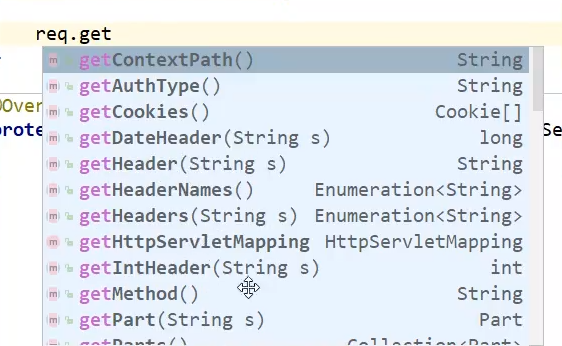
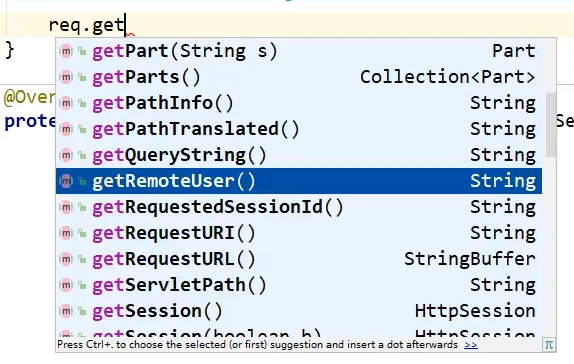
<html><head> <title>Title</title></head><body><h1>success</h1></body></html>====================================<html><body><h2>Hello World!</h2><%--这里提交的路径,需要寻找到项目的路径--%><%--${pageContext.request.contextPath}代表当前的项目--%><form action="${pageContext.request.contextPath}/login" method="get"> 用户名:<input type="text" name="username"> <br> 密码:<input type="password" name="password"> <br> <input type="submit"></form></body></html>public class RequestTest extends HttpServlet { @Override protected void doGet(HttpServletRequest req, HttpServletResponse resp) throws ServletException, IOException { //处理请求 String username = req.getParameter("username"); String password = req.getParameter("password"); System.out.println(username+":"+password); //重定向的时候,一定要注意路径问题,否则404 resp.sendRedirect("/r/success.jsp"); } @Override protected void doPost(HttpServletRequest req, HttpServletResponse resp) throws ServletException, IOException { doGet(req, resp); }}HttpServletRequest代表客户端的请求,用户通过Http协议访问服务器,Http请求中的所有信息会被封装到HttpServletRequest,通过这个HttpServletRequest的方法,获得客户端的所有信息

public class LoginServlet extends HttpServlet { @Override protected void doGet(HttpServletRequest req, HttpServletResponse resp) throws ServletException, IOException { req.setCharacterEncoding("utf-8"); resp.setCharacterEncoding("utf-8"); String username = req.getParameter("username"); String password = req.getParameter("password"); String[] hobby = req.getParameterValues("hobby"); System.out.println("====================================="); //后台接收中文乱码问题 System.out.println(username); System.out.println(password); System.out.println(Arrays.toString(hobby)); System.out.println("====================================="); //通过请求转发 //这里的 / 代表当前的web应用 req.getRequestDispatcher("/success.jsp").forward(req,resp); } @Override protected void doPost(HttpServletRequest req, HttpServletResponse resp) throws ServletException, IOException { doGet(req, resp); }}面试题:请你聊聊重定向和转发的区别?
相同点
不同点