Protocol buffers are Google's language-neutral, platform-neutral, extensible mechanism for serializing structured data.
Protocol buffers是由Google设计的无关程序语言、平台的、具有可扩展性机制的序列化数据结构。
The
tf.train.Examplemessage (or protosun) is a flexible message type that represents a{"string": value}mapping. It is designed for use with TensorFlow and is used throughout the higher-level APIs such as TFX.
tf.traom.Example是一种表示{“string”:value}映射关系的灵活的消息类型。它被设计用于TensorFlow以及更加高级的API。
一个tf.train.Example的实例是构建的是数个{”string“: tf.train.Feature}映射。
其中,tf.train.Feature可以是以下三种,其他类型的数据格式可以通过一个或多个Feature组合描述:
import tensorflow as tfwith tf.io.TFRecordWriter("train.tfrecords","GZIP") as writer: for i in range(200): # Assume there are 200 records example_proto = tf.train.Example( features=tf.train.Features( feature= { 'feature0': tf.train.Feature(float_list=tf.train.int64List(value=feature0)), 'feature1': tf.train.Feature(float_list=tf.train.FloatList(value=feature1)), 'feature2': tf.train.Feature(float_list=tf.train.BtyesList(value=feature2)), 'label': tf.train.Feature(float_list=tf.train.int64List(value=[label])), } ) ) writer.write(example_proto.SerializeToString())One might see performance advantages by batching
Exampleprotos withparse_exampleinstead of using this function directly.
对Example protos分批并使用parse_example会比直接使用parse_single_example有性能优势。
# with map_func using tf.io.parse_single_exampledef map_func(example): # Create a dictionary describing the features. feature_description = { 'feature0': tf.io.FixedLenFeature([len_feature0], tf.int64), 'feature1': tf.io.FixedLenFeature([len_feature1], tf.float32), 'feature2': tf.io.FixedLenFeature([len_feature2], tf.int64), 'label': tf.io.FixedLenFeature([1], tf.int64), } parsed_example = tf.io.parse_single_example(example, features=feature_description) feature0 = parsed_example["feature0"] feature1 = parsed_example["feature1"] feature2 = parsed_example["feature2"] label = parsed_example["label"] return image, labelraw_dataset = tf.data.TFRecordDataset("train.tfrecords","GZIP")parsed_dataset = raw_dataset.map(map_func=map_func)parsed_dataset = raw_dataset.batch(BATCH_SIZE)以下代码和前者的区别在于map_func中使用tf.io.parse_example替换tf.io.parse_single_example,并在调用map方法前先调用batch方法。
# with map_func using tf.io.parse_exampledef map_func(example): # Create a dictionary describing the features. feature_description = { 'feature0': tf.io.FixedLenFeature([len_feature0], tf.int64), 'feature1': tf.io.FixedLenFeature([len_feature1], tf.float32), 'feature2': tf.io.FixedLenFeature([len_feature2], tf.int64), 'label': tf.io.FixedLenFeature([1], tf.int64), } parsed_example = tf.io.parse_example(example, features=feature_description) # features can be modified here feature0 = parsed_example["feature0"] feature1 = parsed_example["feature1"] feature2 = parsed_example["feature2"] label = parsed_example["label"] return image, labelraw_dataset = tf.data.TFRecordDataset(["./1.tfrecords", "./2.tfrecords"])raw_dataset = raw_dataset.batch(BATCH_SIZE)parsed_dataset = raw_dataset.map(map_func=map_func)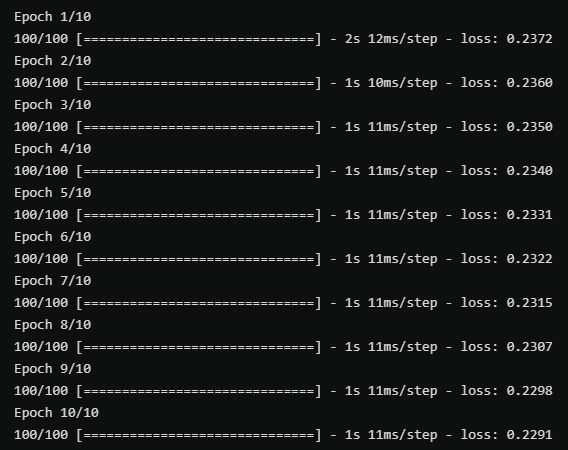
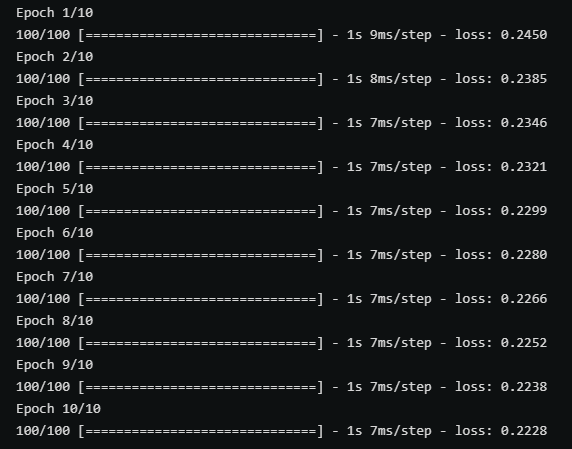
以上两张图分别时使用带有parse_single_example和parse_example的map_func在训练中的性能对比,后者(parse_example)明显性能更优秀。
对于不定长且未padding的数据,写入过程中和定长数据没有区别,但在读取过程中需要使用tf.io.RaggedFeature替代tf.io.FixedLenFeature。
def map_func(example): # Create a dictionary describing the features. feature_description = { 'feature': tf.io.RaggedFeature(tf.float32), 'label': tf.io.FixedLenFeature([1], tf.int64), } parsed_example = tf.io.parse_example(example, features=feature_description) # feature = parsed_example["feature"] feature = parsed_example["feature"].to_tensor(shape=[1,100]) label = parsed_example["label"] return feature, labelraw_dataset = tf.data.TFRecordDataset("train_unpadding.tfrecords").batch(1000)parsed_dataset = raw_dataset.map(map_func=map_func)下图对比了是否对不定长数据进行padding分别在压缩和未压缩的情况下的文件大小。